Cyrus Yip's Development Scrapbook
Section Two / Physical Development
This is a baby picture of me taken right around birth:
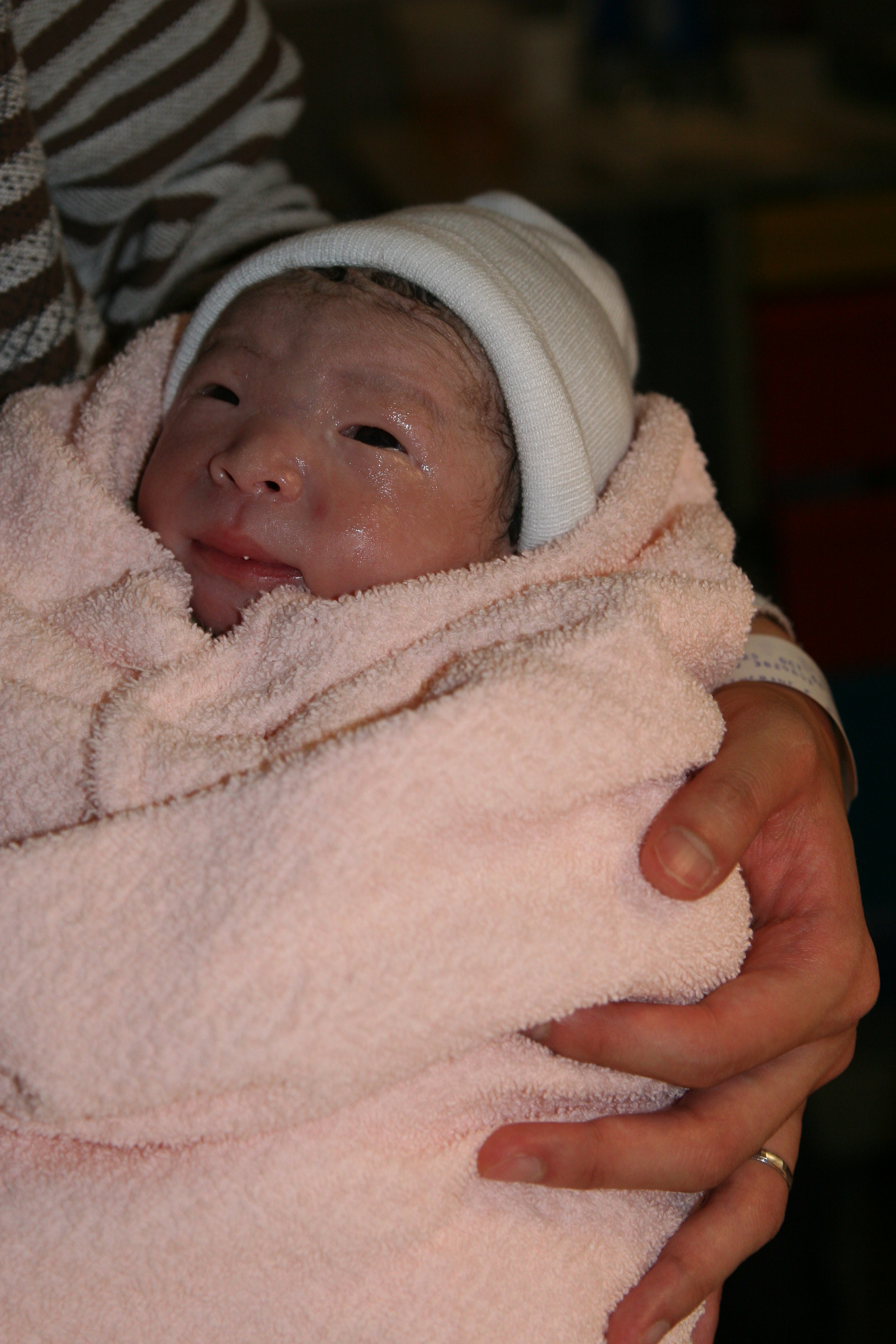
Something interesting was that my parents entered the hospital during good weather but exited the hospital to a snowstorm. This big surprise was an unexpected change for them. The room I was born in also happened to be the exact one my sister was born in two years later.
I was five to six months when I learned to sit up. My first step was at around nine months. At two to three years old, I was officially potty trained.
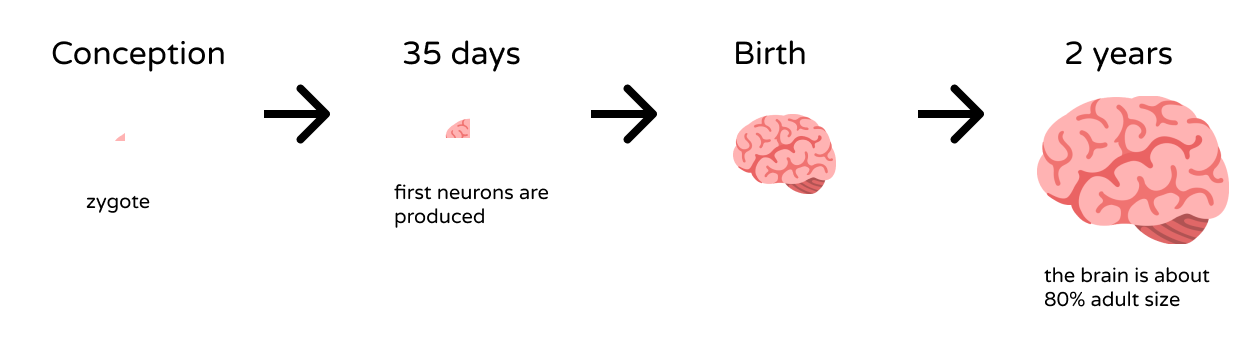
Here is a timeline I created of the average brain development from conception through age two:
Puberty, in my own words, are the physical and emotional changes children go through as they mature into an adult. This key transition makes the body capable of reproduction.
Here is a photo of me around the age of puberty (11-14):

I am tasked to write a section for an upcoming Psychology textbook regarding the physical characteristics of adolescence and puberty. Here is my submission:
Adolescence is the transitional phase of physical, emotional, and social development from childhood to adulthood. This transformation, known as puberty, is caused by hormones that trigger physical growth and psychological changes.
The most significant changes are the ones involving primary and secondary sex characteristics. Primary sex characteristics are the external sex organs that distinguish males and females. The secondary characteristics are not essential for reproduction but contribute to distinguishing the sexes.
The surge of hormones released during puberty are powerful mood regulators. Teenagers may experience mood swings and feel overwhelmed by these new feelings. These developments can contribute to a higher likelihood of developing mood disorders.
Because of the drastic changes, social challenges may arise. Societal pressures and comparisons with peers may lead to body image concerns and insecurities. The increase in oil production leads to breakouts of acne and skin changes, adding to feelings of self-consciousness. Research suggests girls that develop faster tend to have lower self-esteem while earlier developing boys tend to have higher confidence.
This fascinating and crucial part of human development comes with many trials and tribulations. It is important to remember that these experiences are widely shared and normal.